
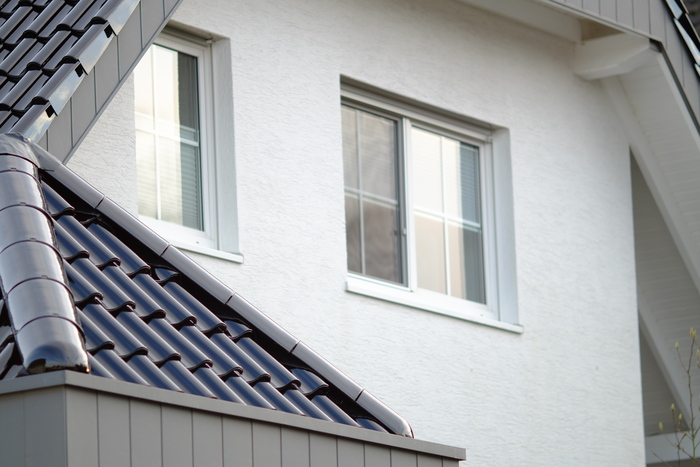
If you’re planning a home exterior update in 2026, siding will likely be one of the biggest costs to consider. Many homeowners in St. Cloud, MN and surrounding areas ask the same question: what is the most affordable siding option that still looks good and holds up in Minnesota weather?
While there are several choices available, vinyl siding continues to be the most cost-effective option for most homes. Still, price alone should not be the only factor. Durability, maintenance, and long-term value all play an important role in your decision.
At DG Homes & Remodeling, we help homeowners across St. Cloud, Sauk Rapids, Sartell, and St. Joseph choose siding that fits both their budget and the local climate.
Why Siding Choice Matters in Minnesota
Homes in Central Minnesota deal with freezing winters, snow, ice, and temperature swings throughout the year. These conditions can wear down siding quickly if the material is not built to handle them.
Choosing the right siding helps:
Maintain curb appeal over time
- Protect your home from moisture and cold air
- Reduce long-term repair costs
- Improve energy efficiency
Vinyl Siding: The Most Affordable Option in 2026
Vinyl siding remains the top choice for homeowners looking for low-cost siding in St. Cloud.
- Lower material and installation costs
- Minimal maintenance required
- No painting needed
- Resistant to moisture, pests, and rot
Vinyl performs well in Minnesota’s climate, making it a practical option for long winters and changing conditions.
Lower-quality vinyl can fade or crack over time, especially in extreme cold. Choosing a thicker, higher-grade product costs a bit more upfront but offers better durability and a longer lifespan.
Engineered Wood Siding: A Balanced Option
Engineered wood siding is a solid middle-ground choice. It offers the look of real wood at a more affordable price.
- More affordable than traditional wood or fiber cement
- Better resistance to moisture and insects than natural wood
- Available in a wide range of colors and finishes
It does require some maintenance over time, but many homeowners find it worth it for the appearance and overall value.
Aluminum Siding: A Budget Alternative
Aluminum siding is still used in some budget-focused projects.
- Does not rot or attract insects
- Fire-resistant and lightweight
- Performs well in cold climates
However, it can dent easily from hail or debris and offers fewer style options. Because of this, it is less common today but can still work for certain homes.
Plywood and T1-11 Siding: Low Cost, Higher Risk
Plywood and T1-11 siding are among the cheapest upfront options, but they often cost more over time.
- Require frequent painting or sealing
- More prone to water damage and rot
- Less durable in harsh winter conditions
These materials may be suitable for garages or sheds, but they are not ideal for long-term residential use in Minnesota. Check our Siding repairs in St. Cloud
Fiber Cement Siding: Durable but Higher Cost
Fiber cement siding is known for its strength and longevity.
- Resistant to fire, insects, and weather
- Long lifespan with proper installation
- Holds up well in tough climates
While it performs well, it is more expensive than vinyl and engineered wood. Installation also takes longer, which increases overall project cost.
Installation Costs Can Impact Your Budget
Material cost is only part of the total price. Labor can make a big difference.
- Vinyl siding installs quickly, which keeps labor costs lower
- Heavier materials require more time and specialized installation
- Prep work and repairs can add to total cost
This is one reason vinyl siding remains the most affordable overall option.

Think About Long-Term Value
In a climate like St. Cloud, your siding needs to handle:
- Freezing temperatures
- Snow and ice buildup
- Moisture and humidity changes
For most homeowners, vinyl siding or engineered wood offers the best balance between cost and durability.
Our Recommendation at DG Homes & Remodeling
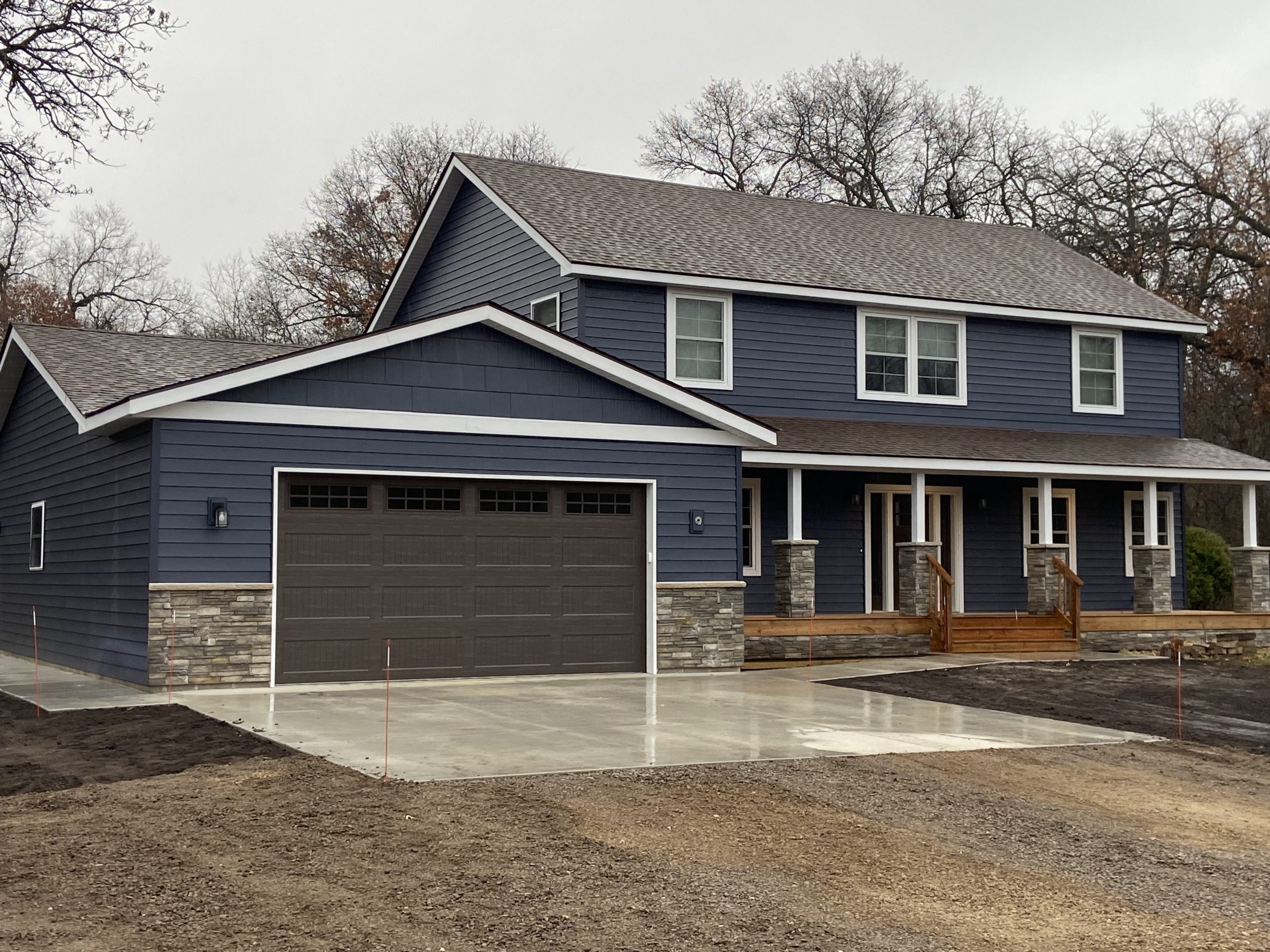
For 2026, vinyl siding continues to be the most affordable and practical choice for homes in St. Cloud, MN. It provides strong protection, low maintenance, and a clean appearance at a reasonable price. We also do soffit repairs
Engineered wood siding is a great alternative if you prefer a more natural look without the higher cost of real wood.
At DG Homes & Remodeling, we help homeowners choose siding that fits their budget while standing up to Minnesota’s weather.
Get a Siding Estimate in St. Cloud, MN
If you’re planning a siding replacement or exterior upgrade, our team is here to help. We provide clear recommendations and honest estimates based on your home and goals.
Contact DG Homes & Remodeling today to schedule your siding estimate in St. Cloud, Sauk Rapids, Sartell, or St. Joseph.
FAQ: Affordable Siding Options
What is the cheapest siding for a house in Minnesota?
Vinyl siding is typically the most affordable option due to low material and installation costs.
How long does vinyl siding last in Minnesota?
Most vinyl siding lasts 20 to 30 years with minimal maintenance.
Is engineered wood siding worth it?
Yes, it offers a good balance between cost, durability, and appearance.
Best Siding for St. Cloud, MN Weather
In 2026, vinyl siding continues to be the most affordable and practical choice for many homes. It combines low material cost, easy installation, and minimal upkeep, making it a reliable option for budget-conscious homeowners. Engineered wood siding serves as a strong alternative for those seeking a natural wood appearance without the high price tag.
At DG Homes, we guide homeowners in St. Cloud through selecting siding that balances cost, durability, and style. If you’re considering a siding replacement, our team can explain your options in detail and provide a straightforward, honest estimate for your project.