

Yes, remodeling a kitchen increases home value. A minor remodel adds about $32,141 to the resale value, a midrange major remodel adds about $42,130, and an upscale major remodel adds about $58,561. These amounts are the estimated increase in the home’s worth, not the profit left after paying for the work.
The percentage return on investment is different from the dollar gain. A reported 113% ROI means the remodel gets its cost back in added value, not that you earn that percentage on top of the spend. For owners who stay, the added value grows equity and can raise tax assessment, not just the sale price.
How Much Value a Kitchen Remodel Actually Adds
A minor kitchen remodel typically includes refacing cabinets, new cheaper countertops, and new appliances. This work adds about $32,141 in value. A midrange major remodel goes deeper, with new cabinets, better counters, and upgraded flooring, adding about $42,130. An upscale major remodel includes custom cabinets, high-end stone, and professional appliances, adding about $58,561.
These numbers show the lift in the home’s appraised worth. They do not subtract the cost of the remodel. If you spend $28,000 on a minor remodel and gain $32,141 in value, your equity position improves by the full $32,141 compared to the prior assessed value, but your net gain after cost is $4,141, not $32,141 on top of your spend.
ROI recoup percentages circulate in remodeling reports. A 113% ROI means the added value exceeds the cost by 13%. It does not mean you sell the house for $113,000 more than the remodel cost. It means the spend comes back plus a fraction.
If you do not sell, the added value still matters. It increases your equity, which lenders count when you refinance. It can also raise your property tax assessment, which may increase annual taxes. The value is real even without a sale.
Is $30,000 Enough for a Kitchen Remodel?
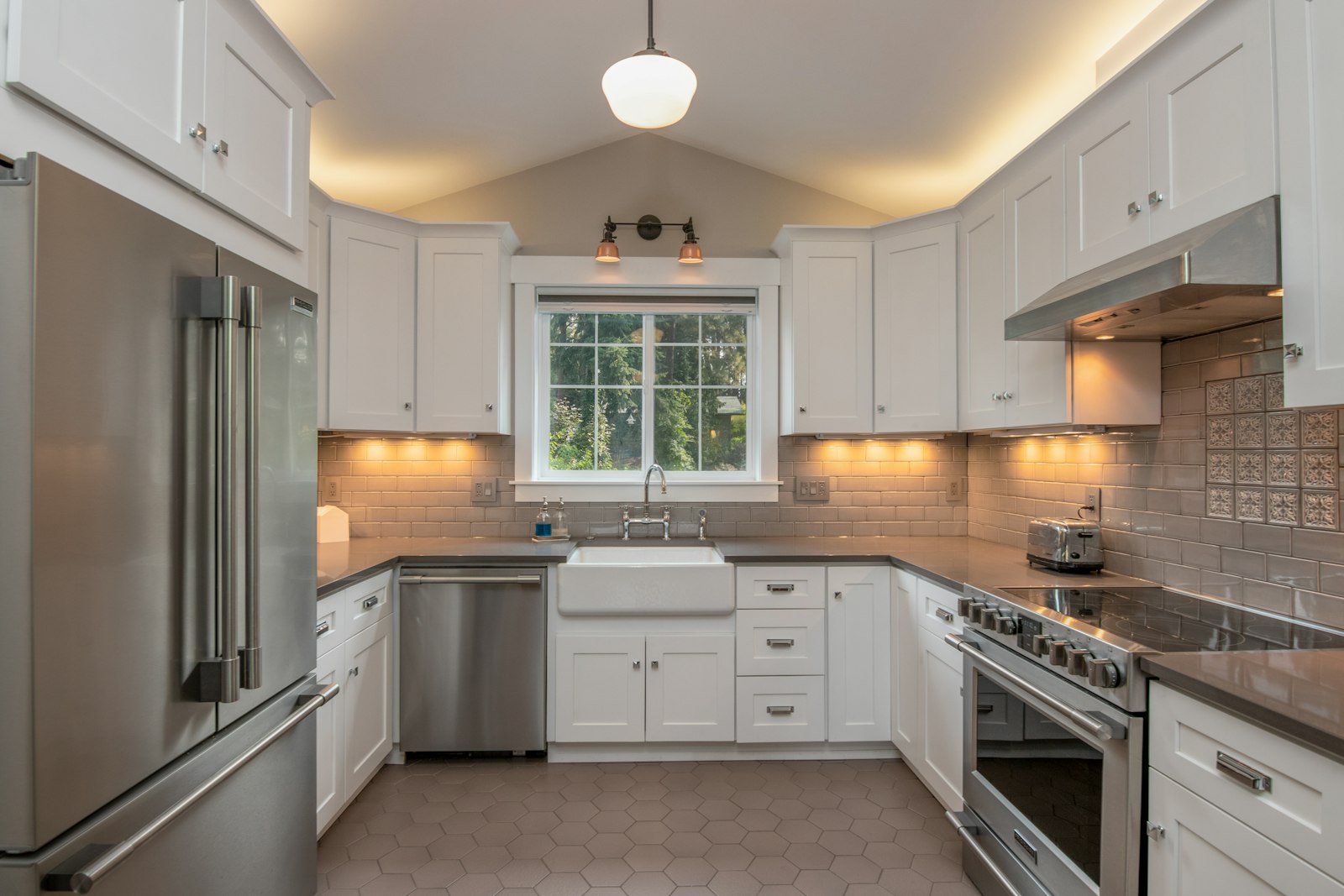
A $30,000 budget covers a minor kitchen remodel in most regions. The national average spend for a minor remodel is $28,458, and in the Pacific region it is $29,728. That money buys cabinet refacing, laminate or budget stone counters, standard appliances, and new paint. It does not buy structural changes, custom cabinets, or luxury finishes.
A major remodel averages over $82,000. With $30,000 you cannot gut the kitchen and replace everything with midrange materials. If you try a full demolition on that budget, you will cut scope mid-project. The result is often mismatched materials and unfinished details that fail to impress buyers or add significant value.
If your goal is a minor refresh, $30,000 is enough. You can paint sound cabinets yourself, swap hardware, and install a new faucet without a pro. If the work touches plumbing or electrical, that part needs a licensed tradesperson. If your kitchen needs new layout or premium surfaces, you need a larger budget or a phased plan.
How to Increase Home Value by $50,000
To add $50,000 in home value through the kitchen alone, you generally need an upscale major remodel. That tier adds about $58,561 in value. The cost to reach that tier is roughly $164,000. You spend a large sum to gain the equity lift.
A minor remodel adds about $32,000, which falls short of the $50,000 target. A midrange major adds about $42,130, still below the mark.
If your total budget is closer to $50,000, you will not hit the $50,000 kitchen value gain. Instead, combine a smaller kitchen upgrade with other work such as bathroom updates or new flooring. Together those improvements can raise total equity by $50,000 without overspending on a single room that the neighborhood will not support.
The 30% Rule: Don’t Over-Improve
A practical guardrail is the 30% rule. Do not spend more than 30% of your home’s current value on a kitchen remodel. On a $200,000 home, that sets a kitchen budget cap of $60,000.
Exceed the cap and you risk a loss at resale. Installing professional-grade appliances or luxury stone in a modest home makes the house an outlier. Buyers in that neighborhood will not pay a premium that matches the spend. The appraised value lags the cost, so the money invested above the threshold does not return.
Check your home’s assessed value before setting a remodel budget. If the numbers push past 30%, scale back the plan. A midrange major remodel near the cap is safer than an upscale one that blows through it.
When a Kitchen Remodel Reduces Value
Some remodels subtract value instead of adding it. Watch for these failure modes:
- Removing a wall that housed cabinets can break the work triangle and slow cooking.
- Creating a layout that does not fit a typical cook frustrates daily use.
- Overly personal styles, like bright custom murals, limit buyer appeal.
Putting luxury finishes in a starter home backfires. Appraisers compare to nearby sales. If your kitchen costs more than the neighborhood standard, the appraisal will reflect the area, not your receipt. You lose the difference.
Aesthetic upgrades that ignore underlying problems also fail. New paint over a poor layout or insufficient storage does not fix function. Buyers notice the deficit and lower offers.
If you live within 30 miles of St. Cloud and need structural changes, a licensed remodeler such as DG Homes & Remodeling can assess whether wall removal is safe and permitted.
Cheap Fixes That Signal Neglect
Some low-cost upgrades cost more in perceived value than they save. Avoid these moves:
- Painting damaged cabinet boxes instead of replacing them.
- Using peel-and-stick tile over existing surfaces.
- Installing bargain-basement flooring that scratches or warps.
These fail because they signal to buyers that the homeowner cut corners or deferred maintenance. The cover-up suggests bigger problems behind it. The result is often a lower offer than if the kitchen were left honest.
If your budget only covers these band-aids, hold the money. Spend instead on small high-impact changes that do not look cheap: new hardware, updated lighting, or a fresh neutral paint on sound surfaces. Those can be done yourself if no electrical relocation is needed.
Why Permits Determine Your Value
Any kitchen remodel that moves plumbing, alters electrical, or changes structure requires permits and inspections. The permit process confirms the work meets code.
Unpermitted work can vanish from the home’s official value. An appraiser may exclude unpermitted square footage or upgrades, meaning the money spent adds zero recorded value. At sale, the buyer’s lender may refuse to finance, forcing a redo before closing.
Pull permits for the parts that need them. In the 30-mile St. Cloud radius, DG Homes & Remodeling handles permitted kitchen remodels as part of its service. A licensed contractor keeps the paper trail that protects your equity.
FAQ
Does a kitchen remodel add immediate equity?
The added value shows up in the home’s assessed worth once the work is complete and appraised. It increases equity on paper right away, but you only realize cash if you refinance or sell. For a minor remodel, the equity gain can exceed the cost; for larger tiers, the gain is still recorded even if it lags the spend.
What is the average ROI for a kitchen remodel?
ROI varies by scope. Reports show a minor remodel can recoup more than its cost, with examples around 113% in some markets. That means the added value tops the spend. Major and upscale remodels recoup a lower percentage but add larger dollar amounts to the home’s value. The ROI figure is not profit; it is the ratio of added value to cost.
Should I remodel my kitchen before selling?
It depends on your current kitchen and budget. If the kitchen is outdated and you can afford a minor remodel within the 30% rule, the update may draw buyers and lift the sale price. If your budget only covers cheap fixes that signal neglect, it is better to leave it and adjust the listing price. A major upscale remodel before sale rarely pays back dollar for dollar in a modest neighborhood.
Check your home’s current value and calculate 30% before setting a kitchen budget. Watch for signs of corner-cutting when you tour other homes, and pull permits for any electrical, plumbing, or structural work.